Time and Again
Anne De Vries
Lucca Süss
Benjamin Hirte
Harry Gould Harvey IV
Hélène Fauquet
Bruno Gironcoli
Organized by Particolare
13 September 2025
Kunsthistorisches Museum Wien
Maria-Theresien-Platz, 1010 Vienna
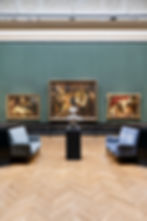
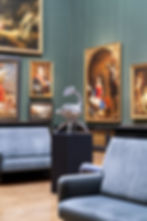
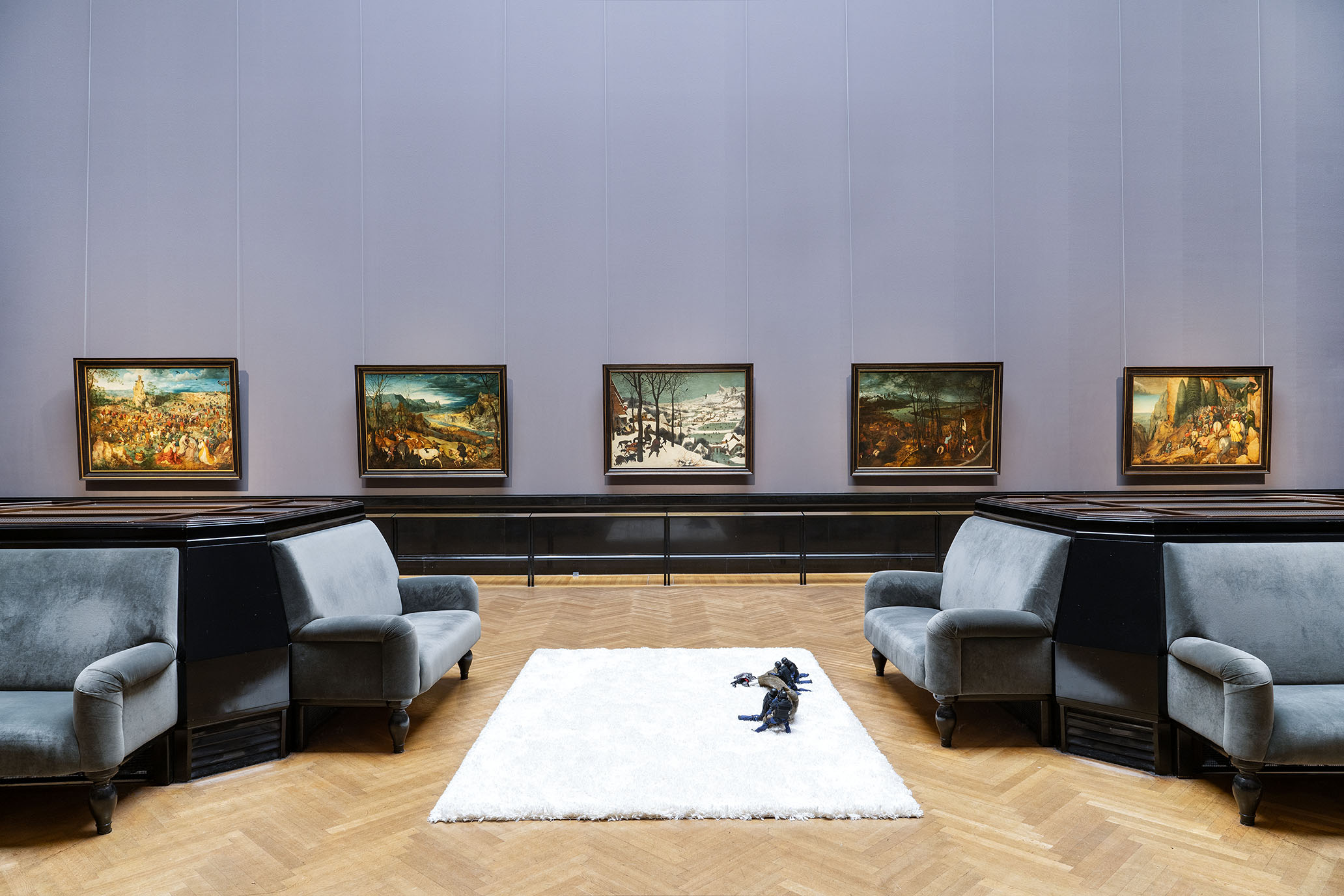
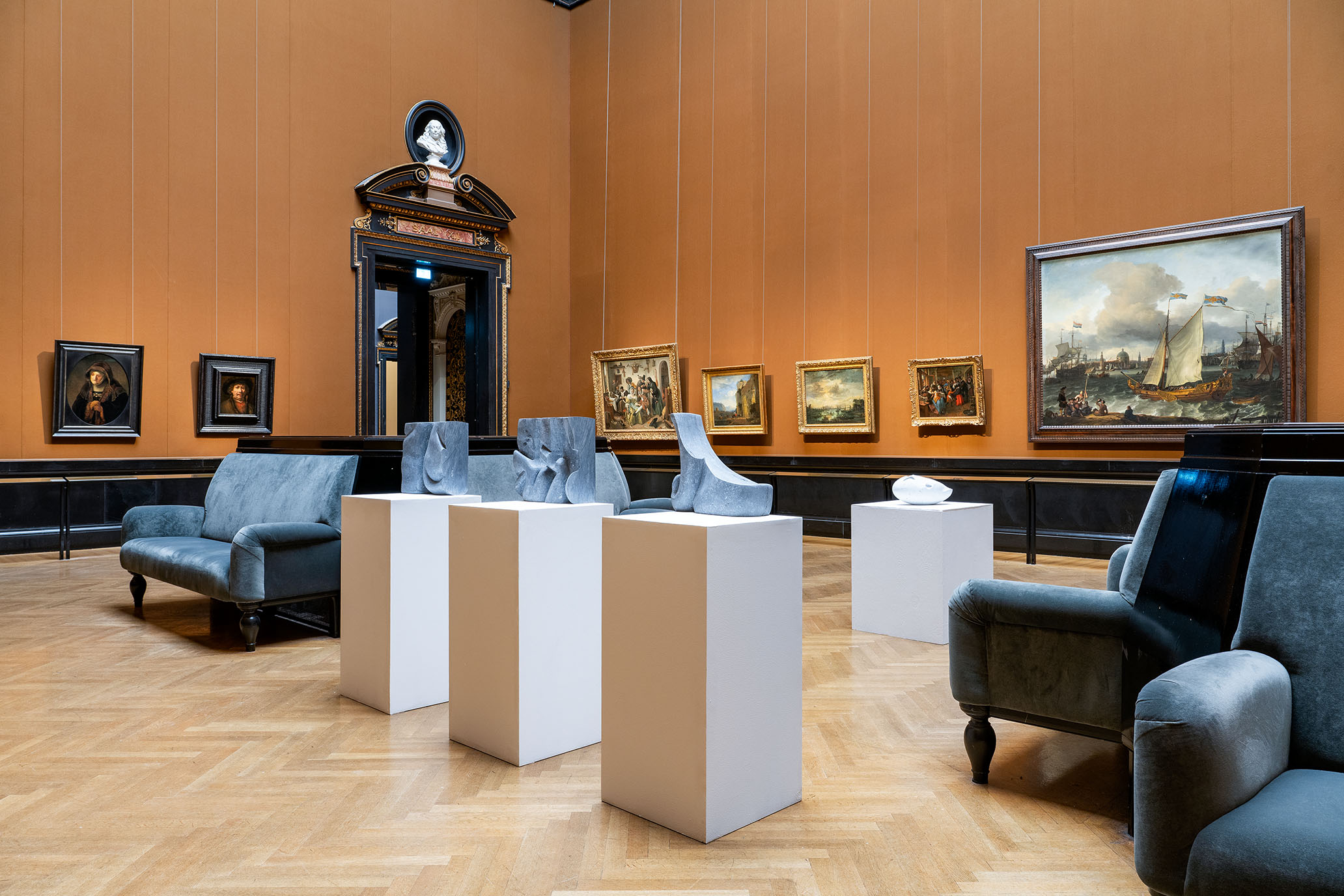
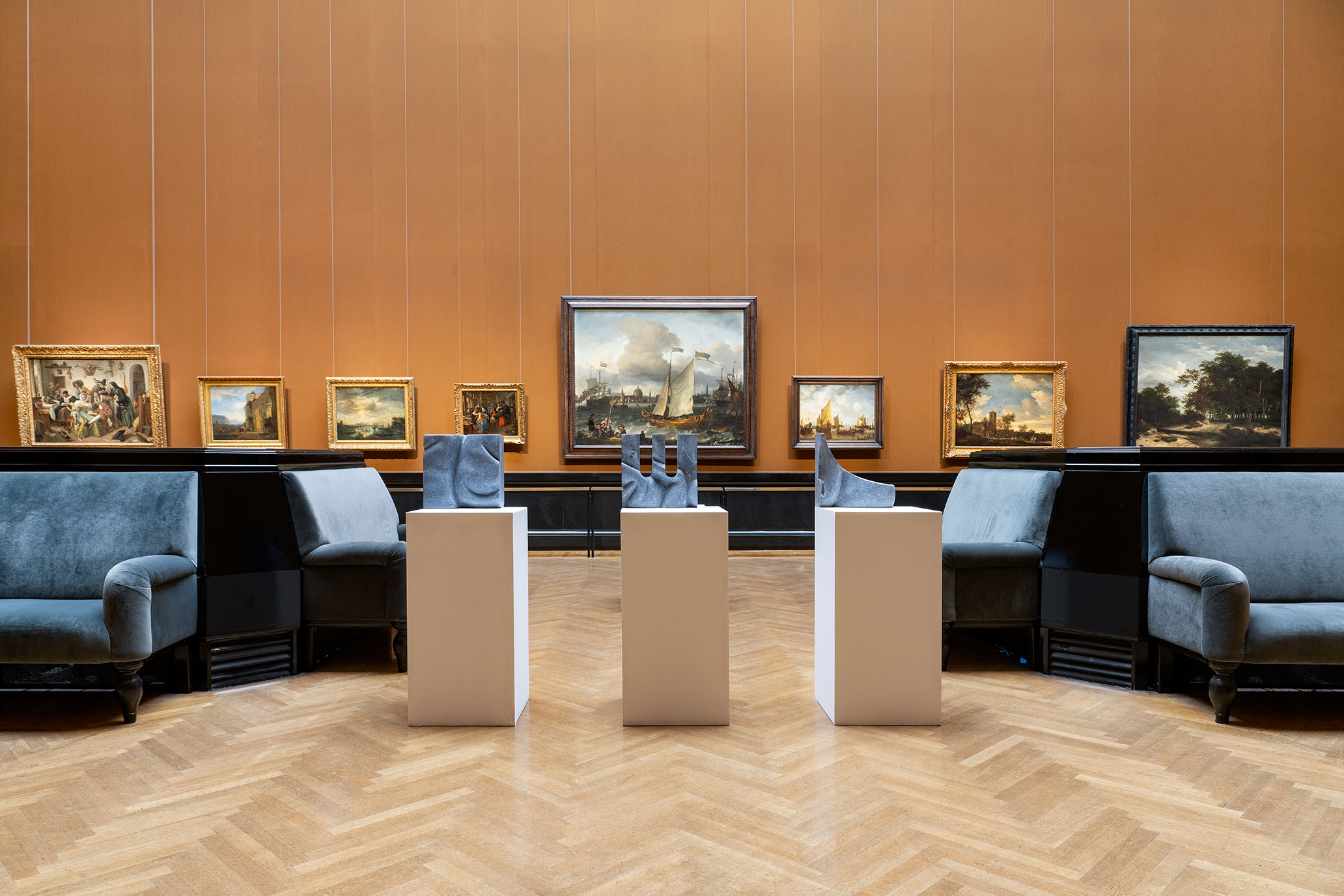
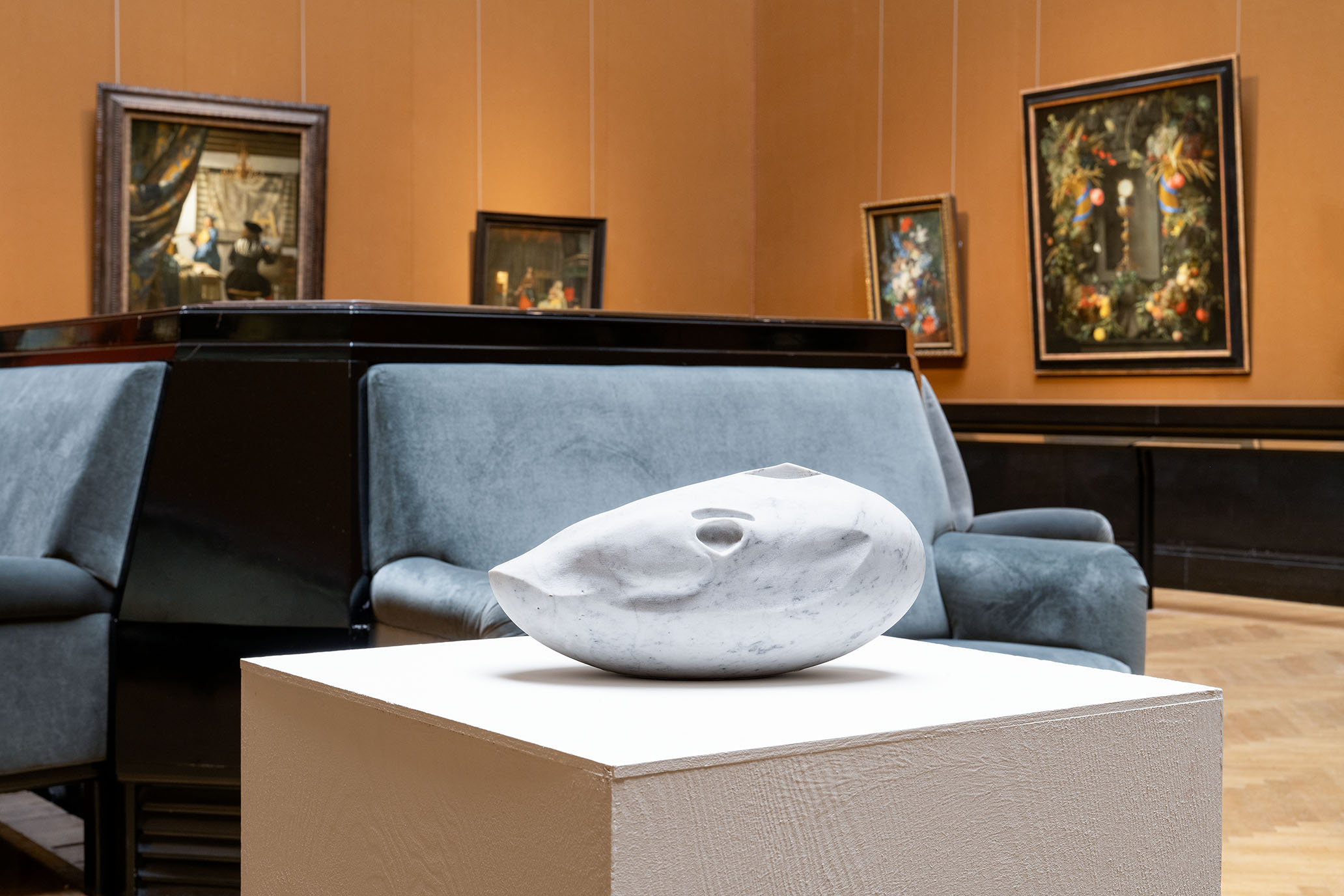
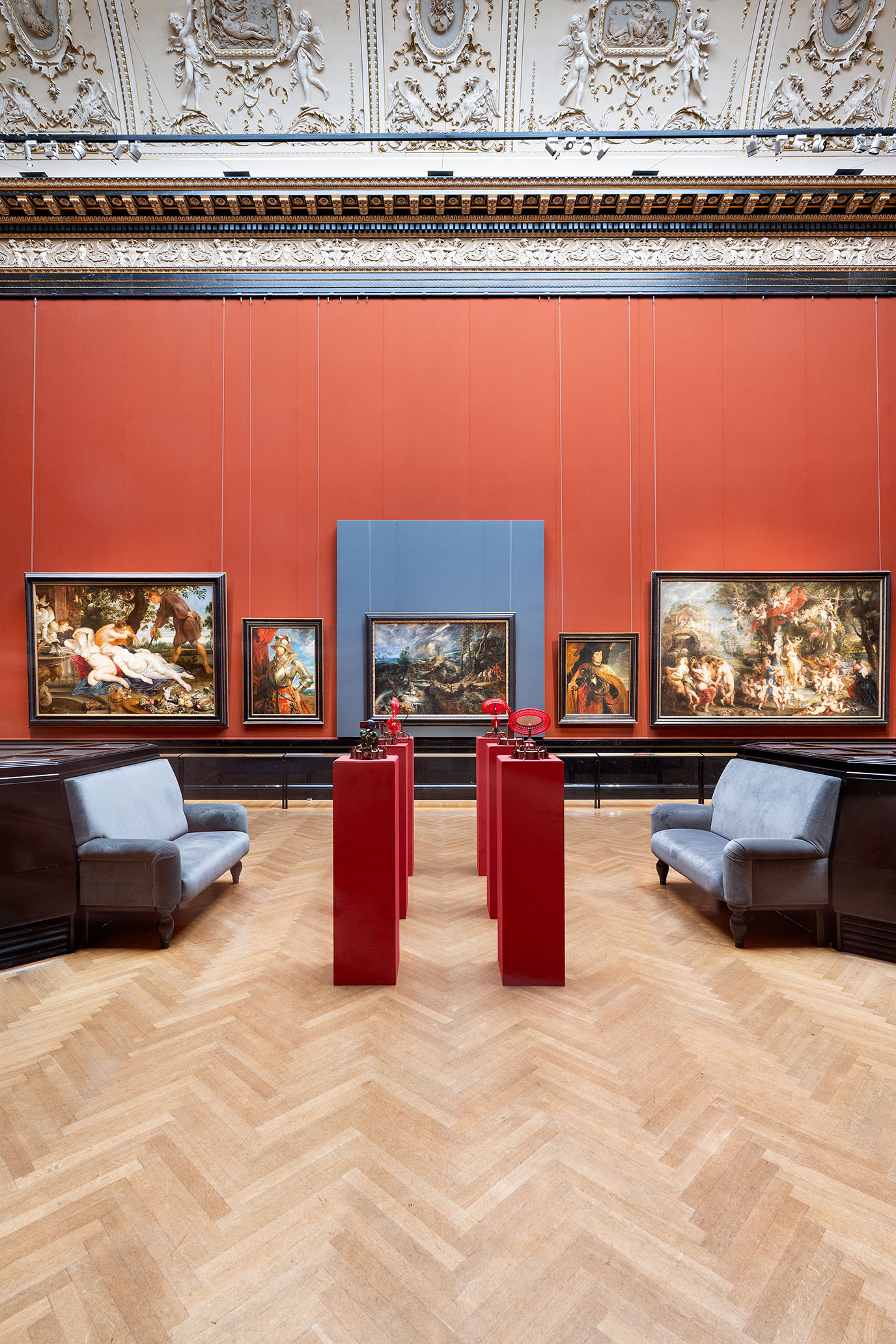
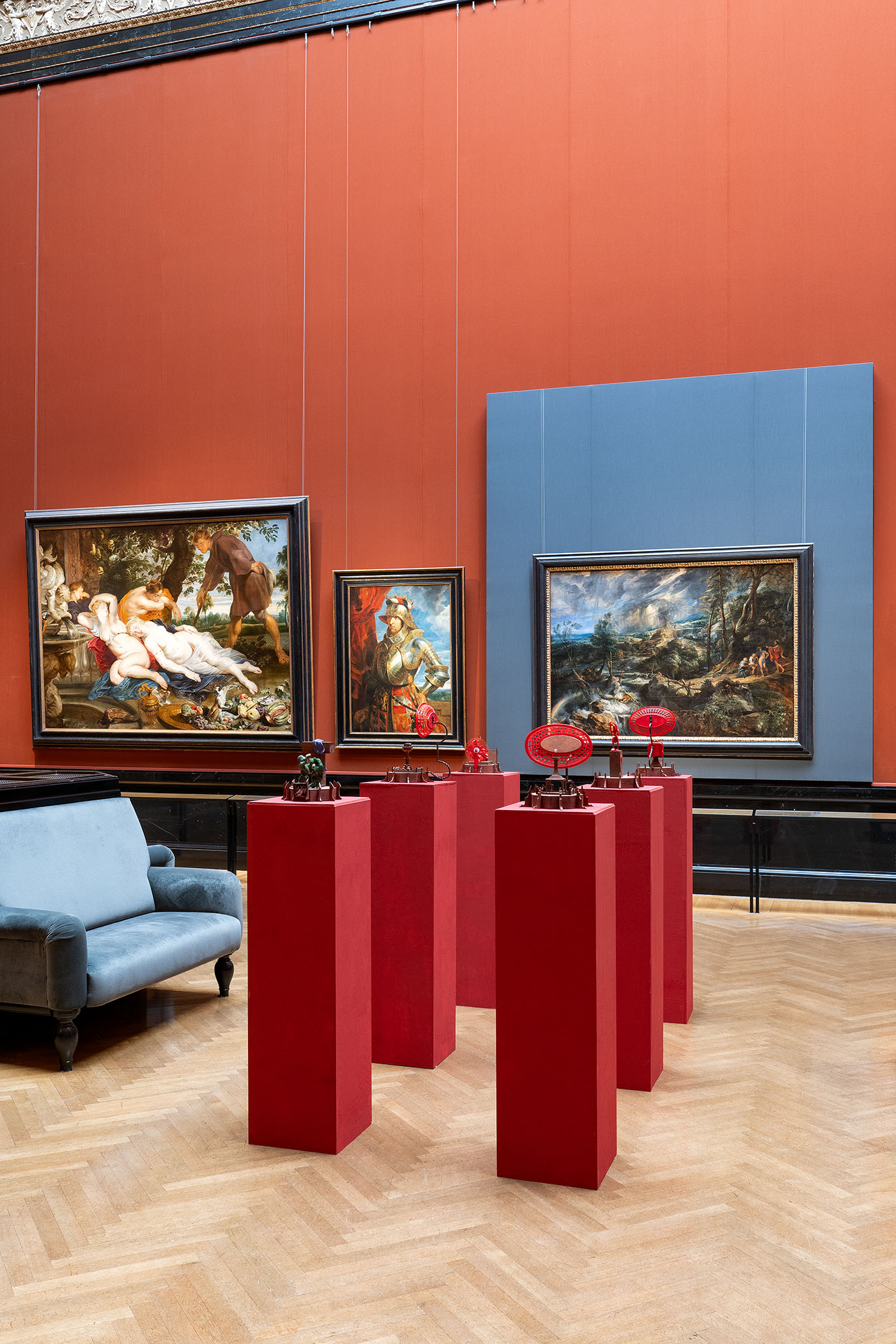
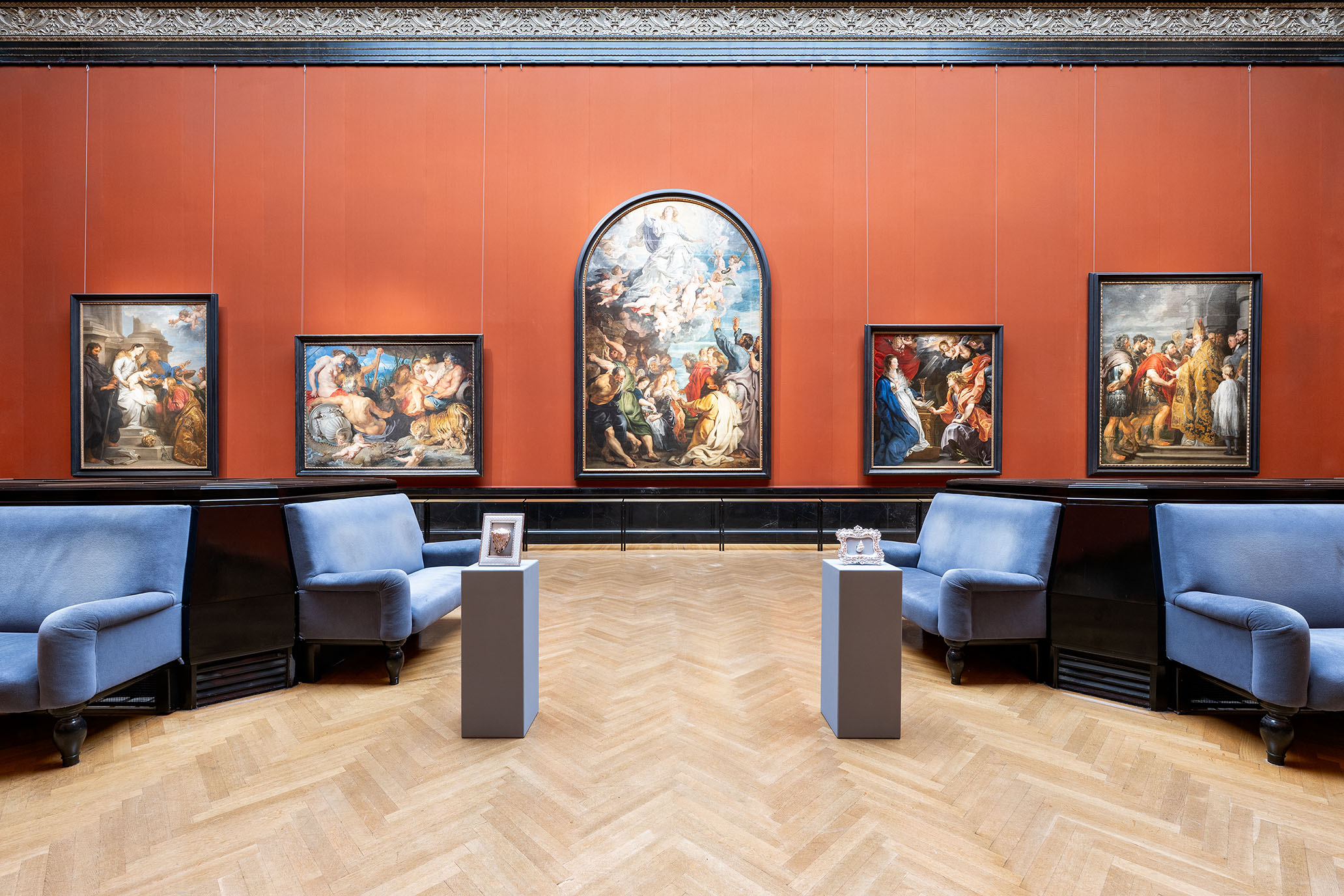
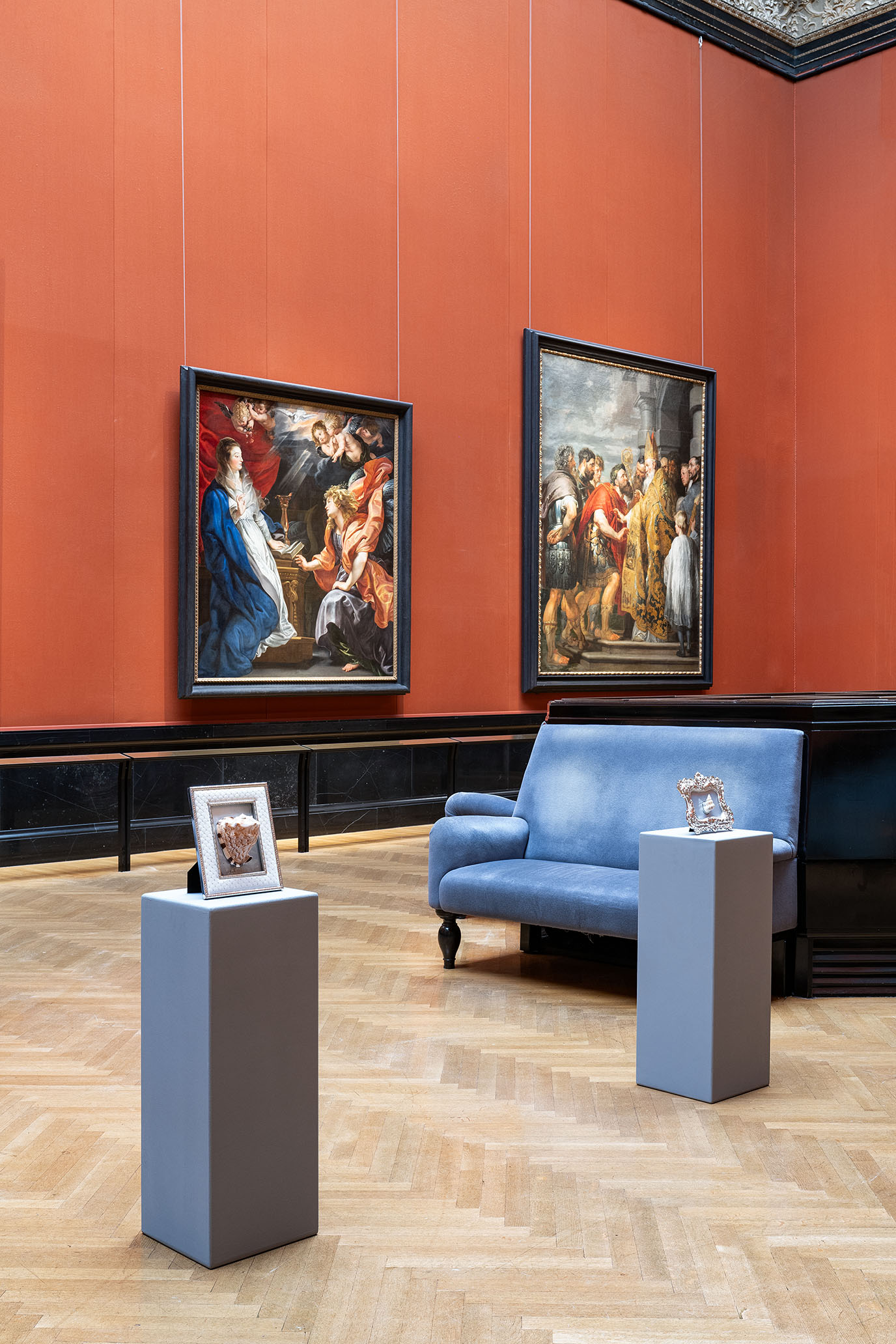
On September 13, Particolare’s 2025 edition, Time and again, takes place at Vienna’s Kunsthistorisches Museum. For one evening, the Kunsthistorisches opens its Picture Galleries after hours to present an avant-garde concert-promenade through a group show featuring six contemporary sculptors in conversations with the Kunsthistorisches Museum’s collection of Northern Renaissance. Each artist inhabits one Picture Gallery, with artworks selected or created specifically in response to the themes explored in the room’s permanent installation.
Time, whether perceived collectively through culture or lived personally, unfolds non-linearly. Ambiguous recollections deepen their roots though endless retellings, and outlines of stories are blurred by reinterpretation. Artistic heritage bends and folds into itself, a line of descent tied together to reveal undying aspirations, fears, and desires from previously distant ends. The fickle nature of experience allows for inconsistencies or clumps in the knot—places to brush up against the past and explore new perspectives.
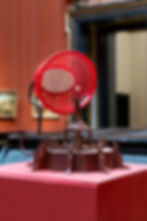
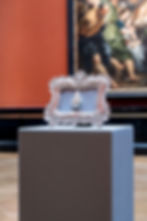
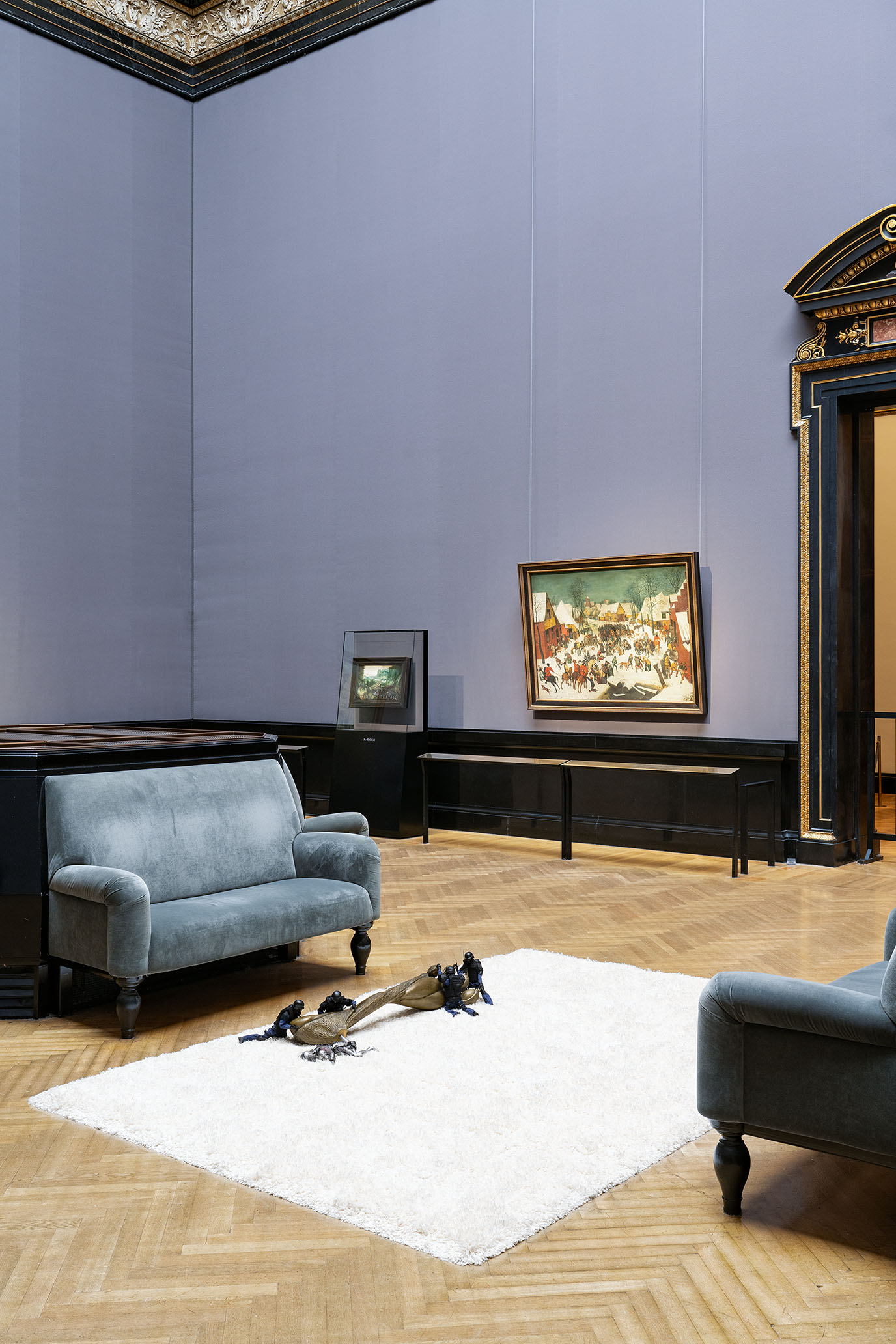
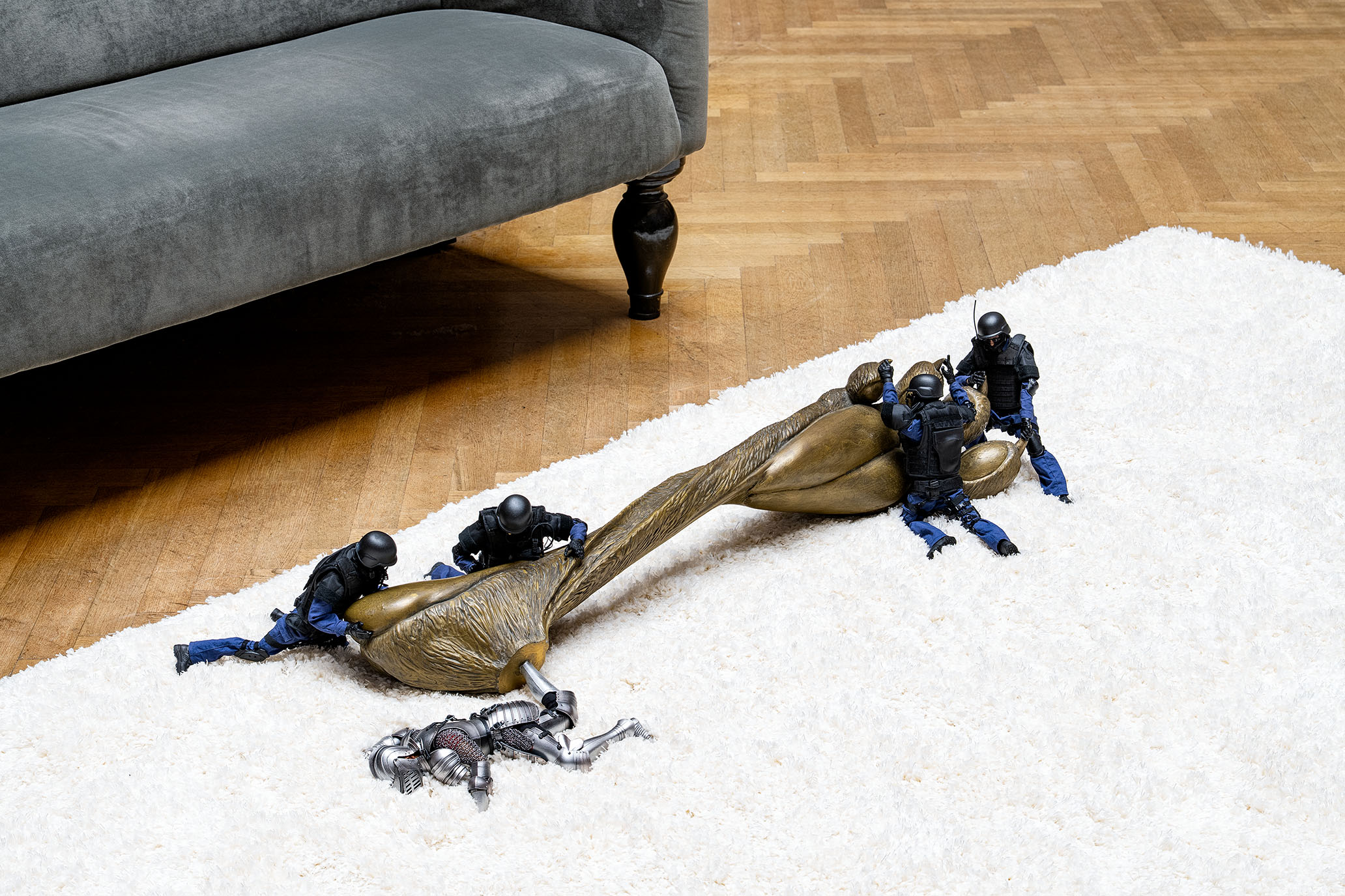
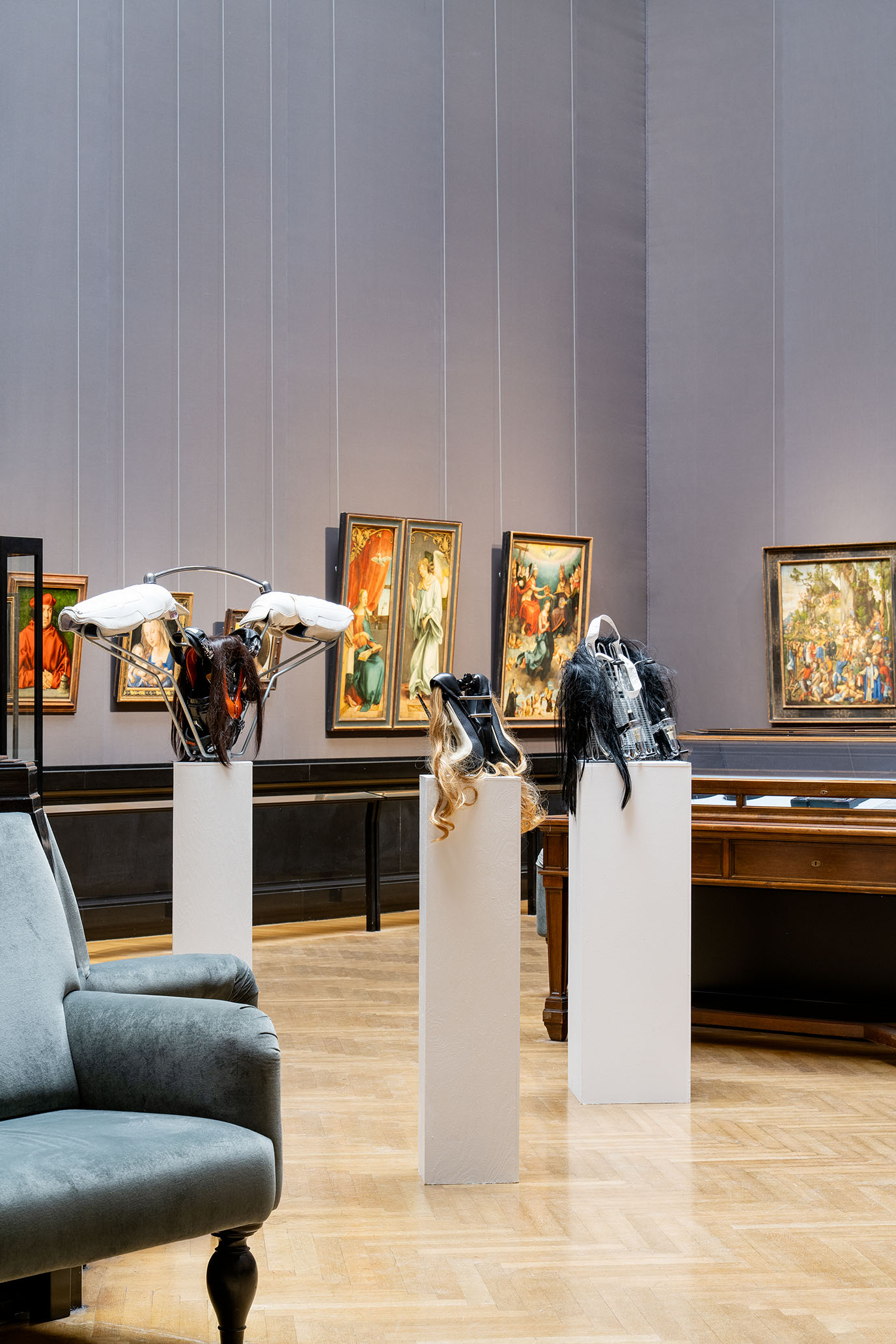
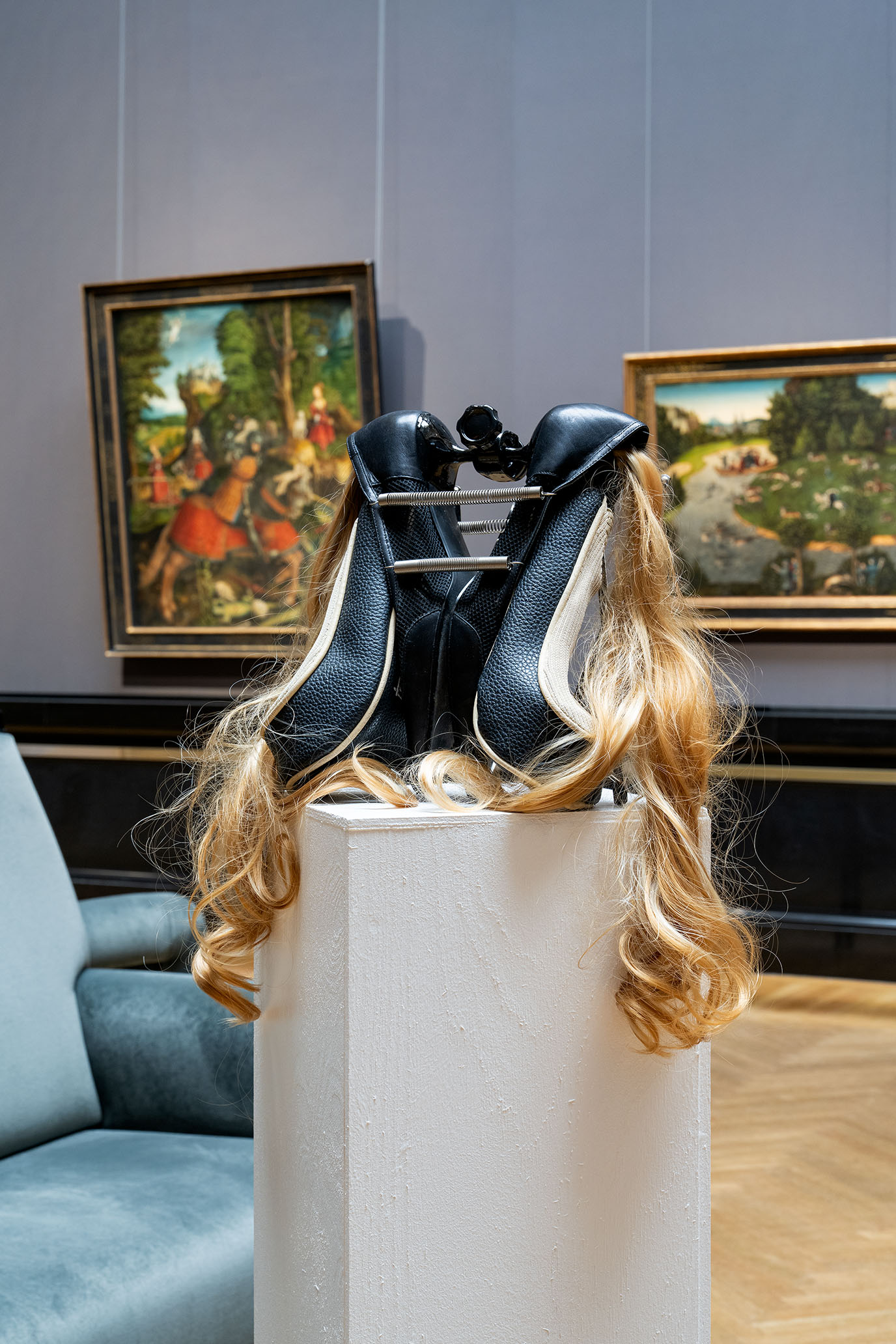
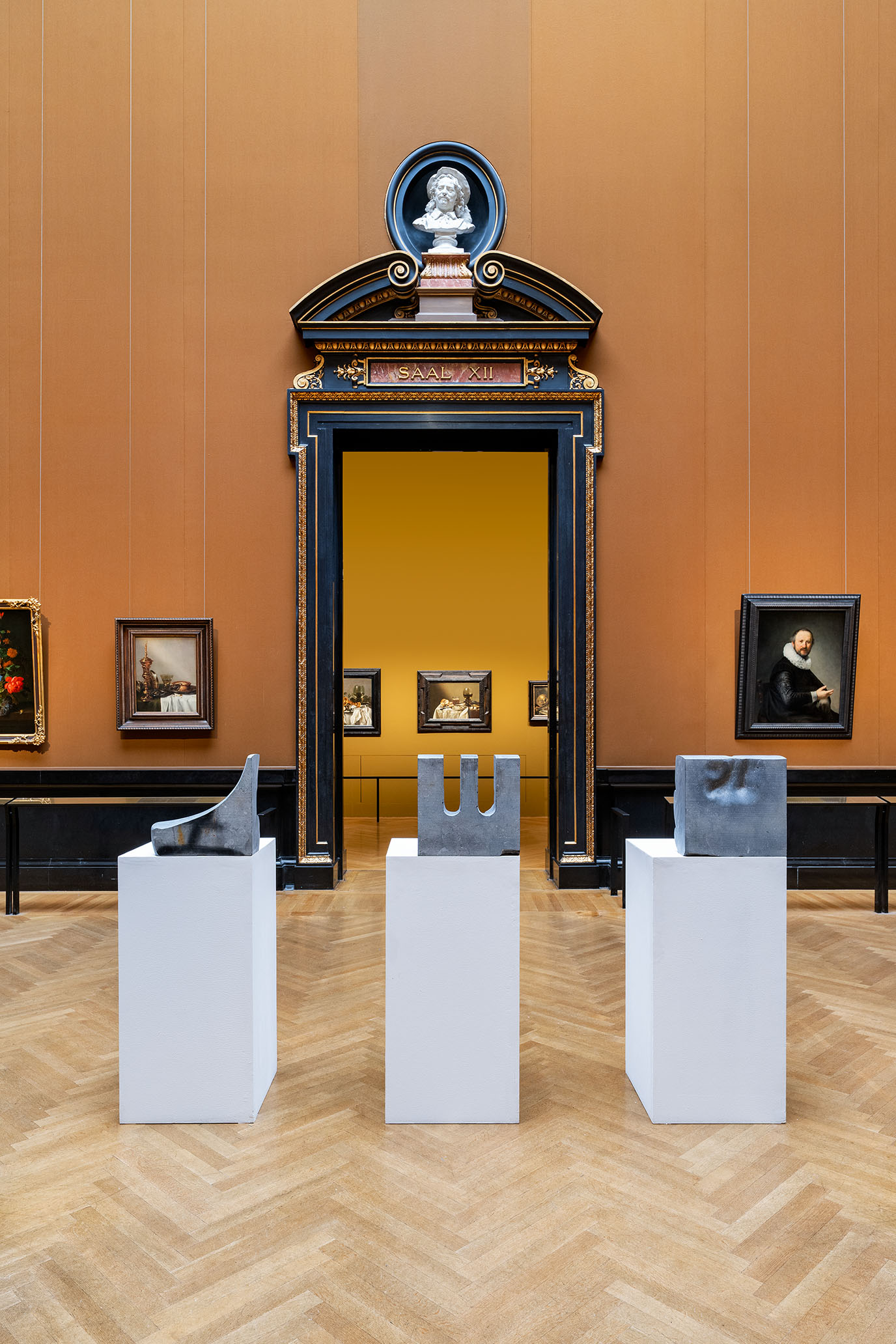
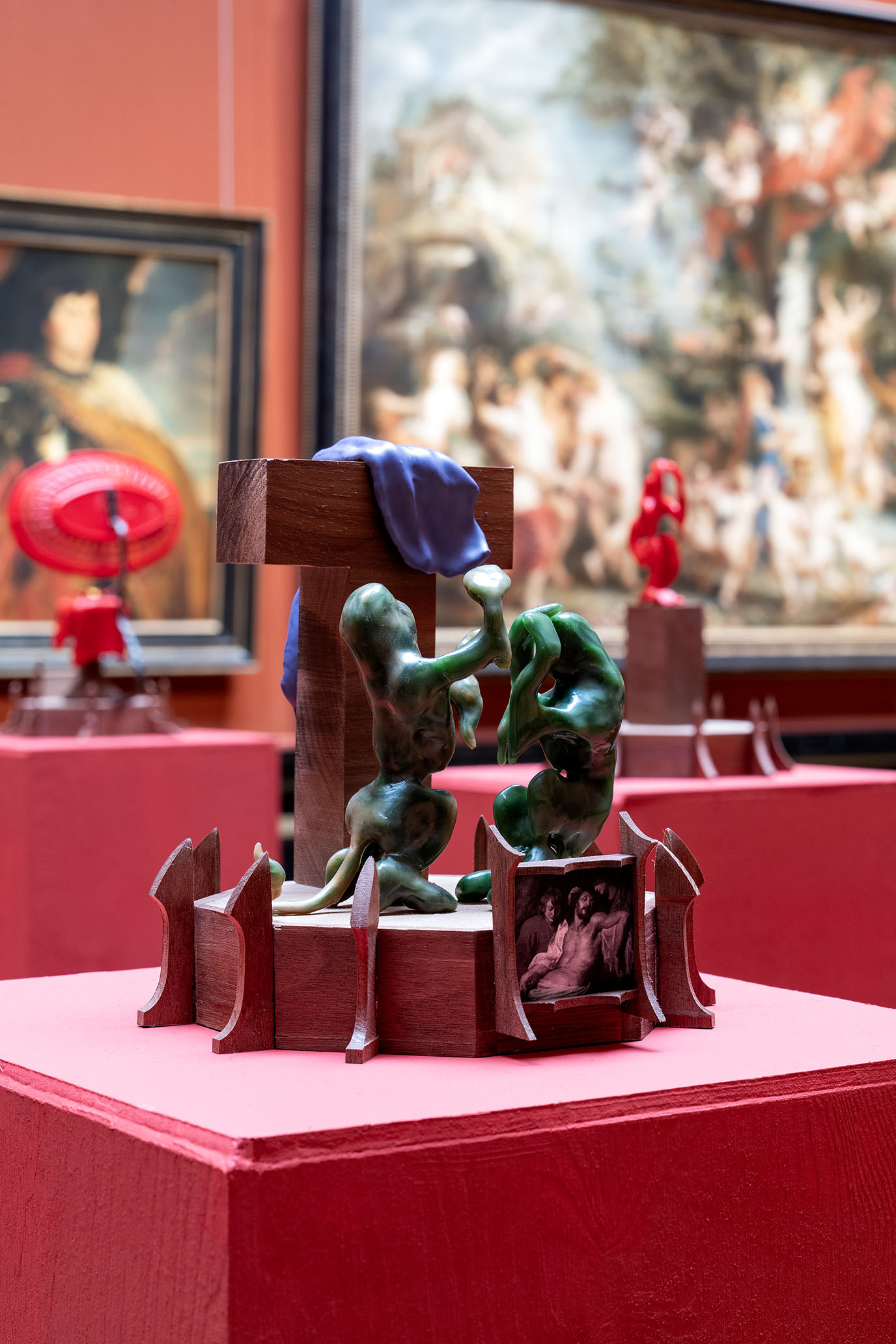
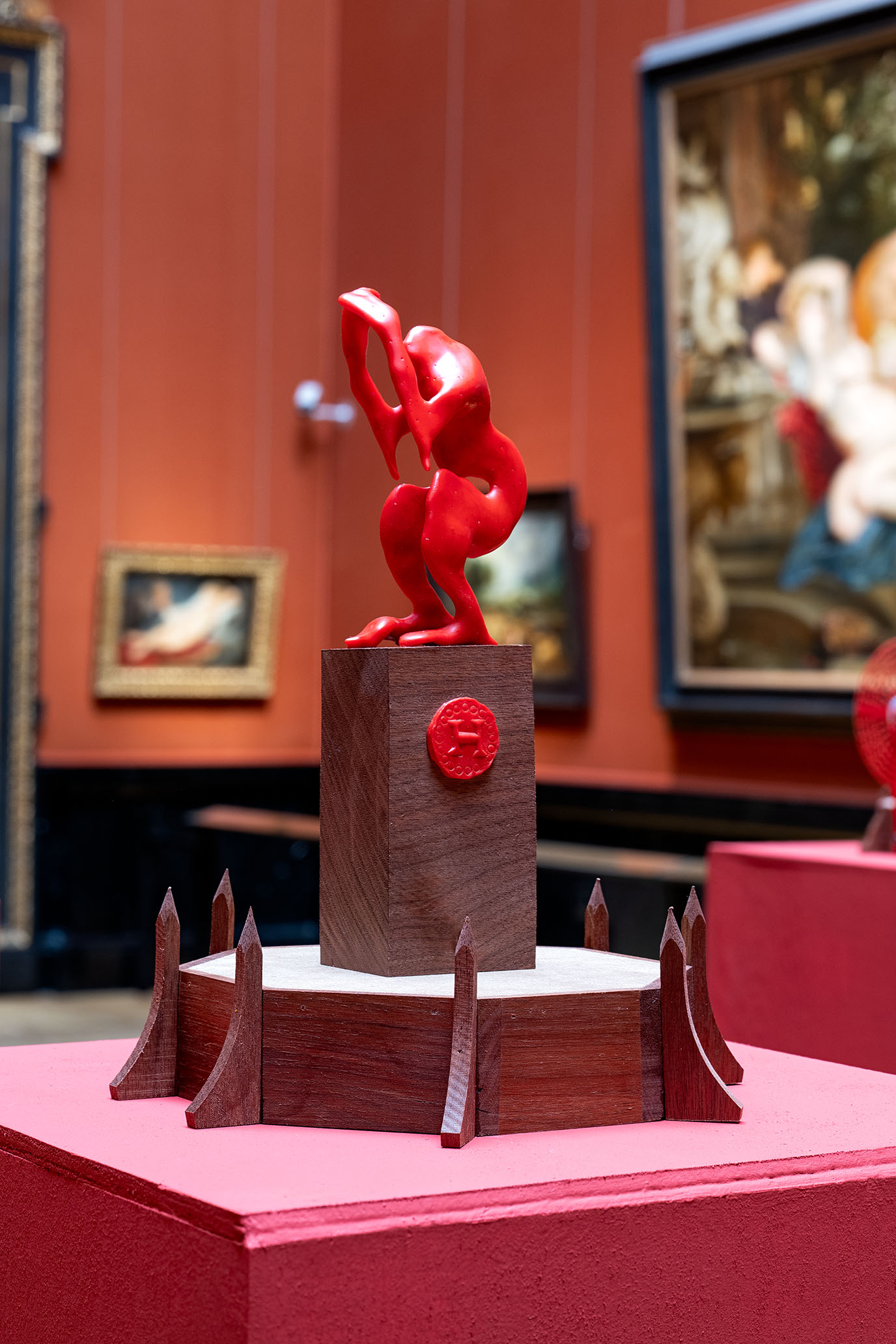
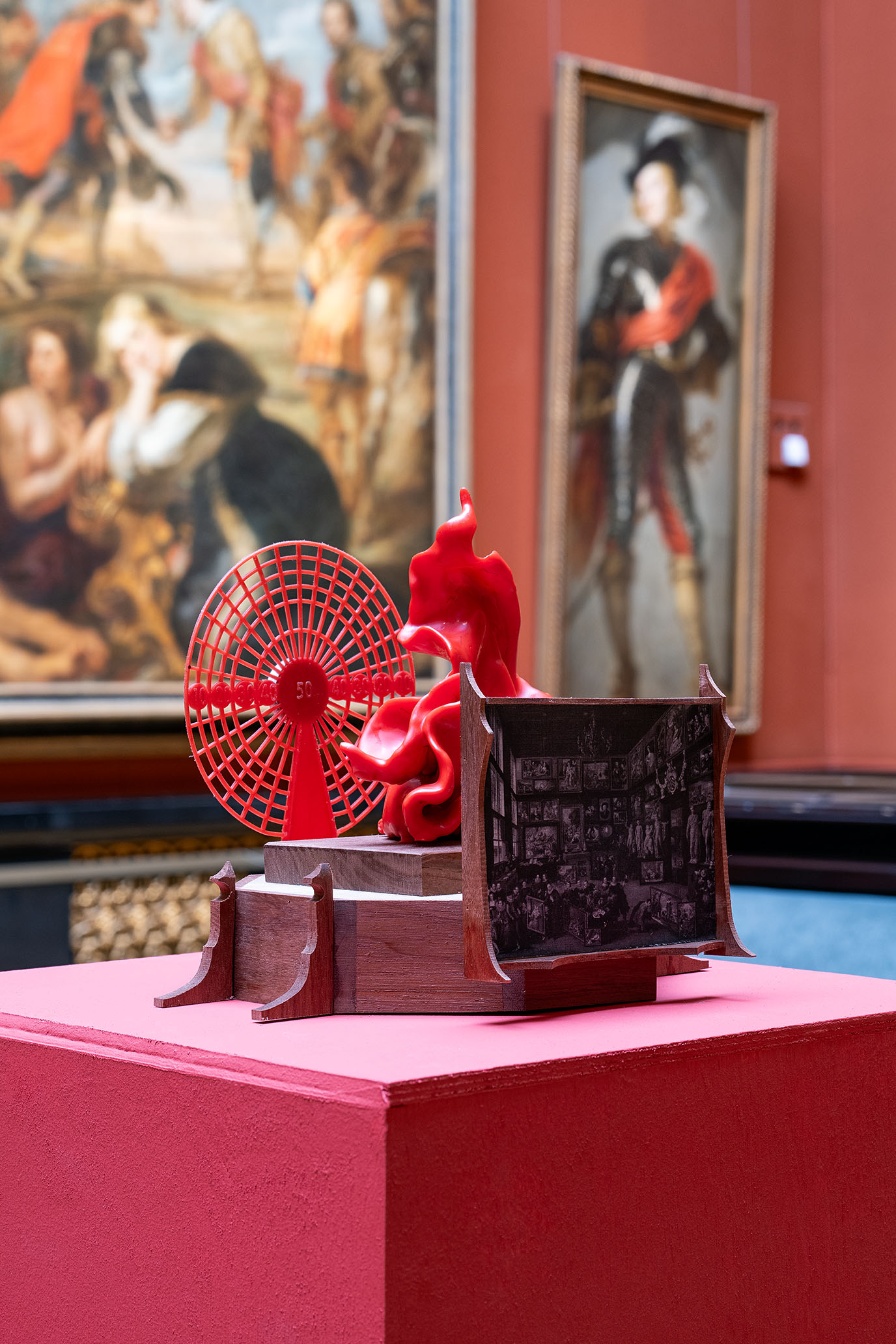
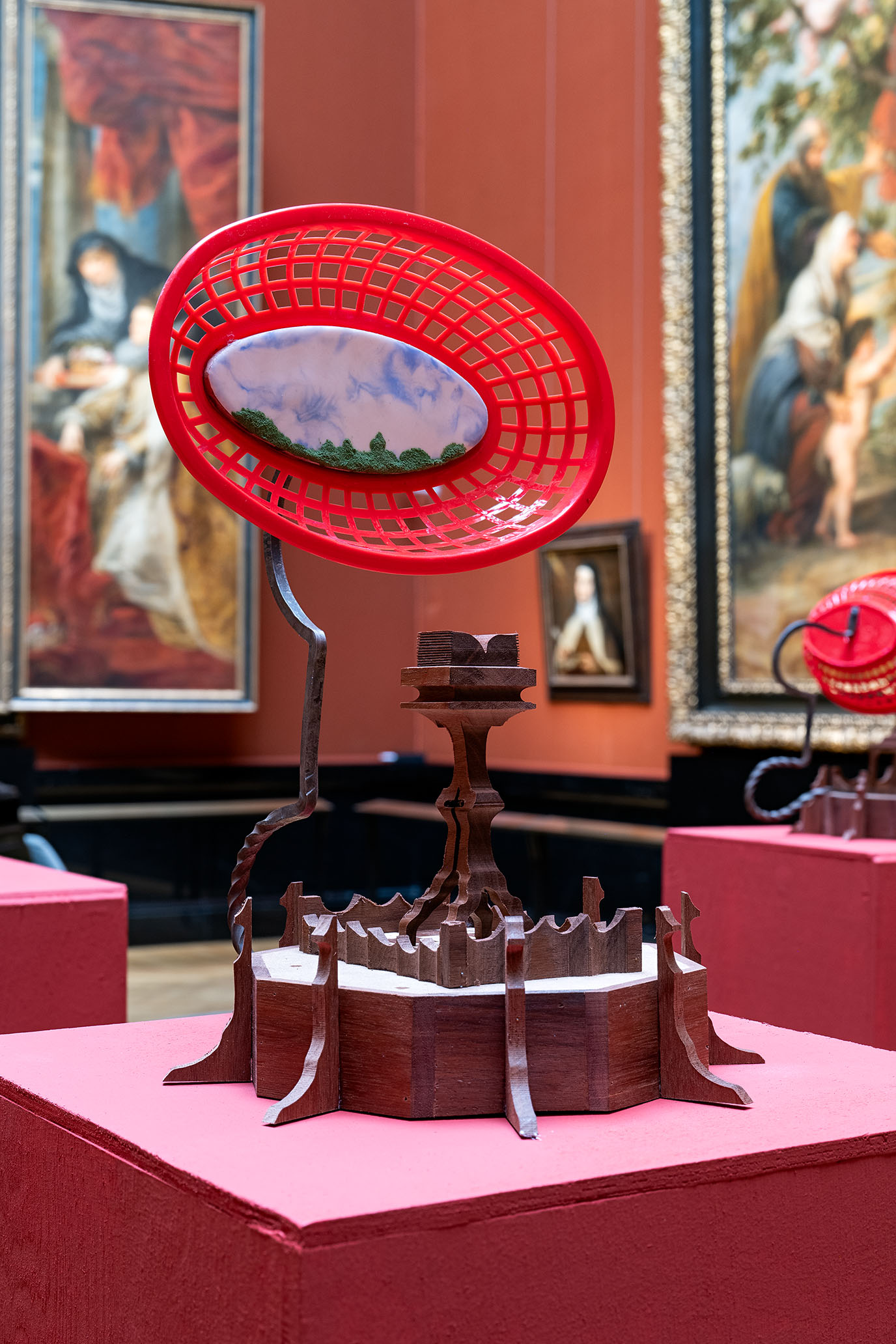
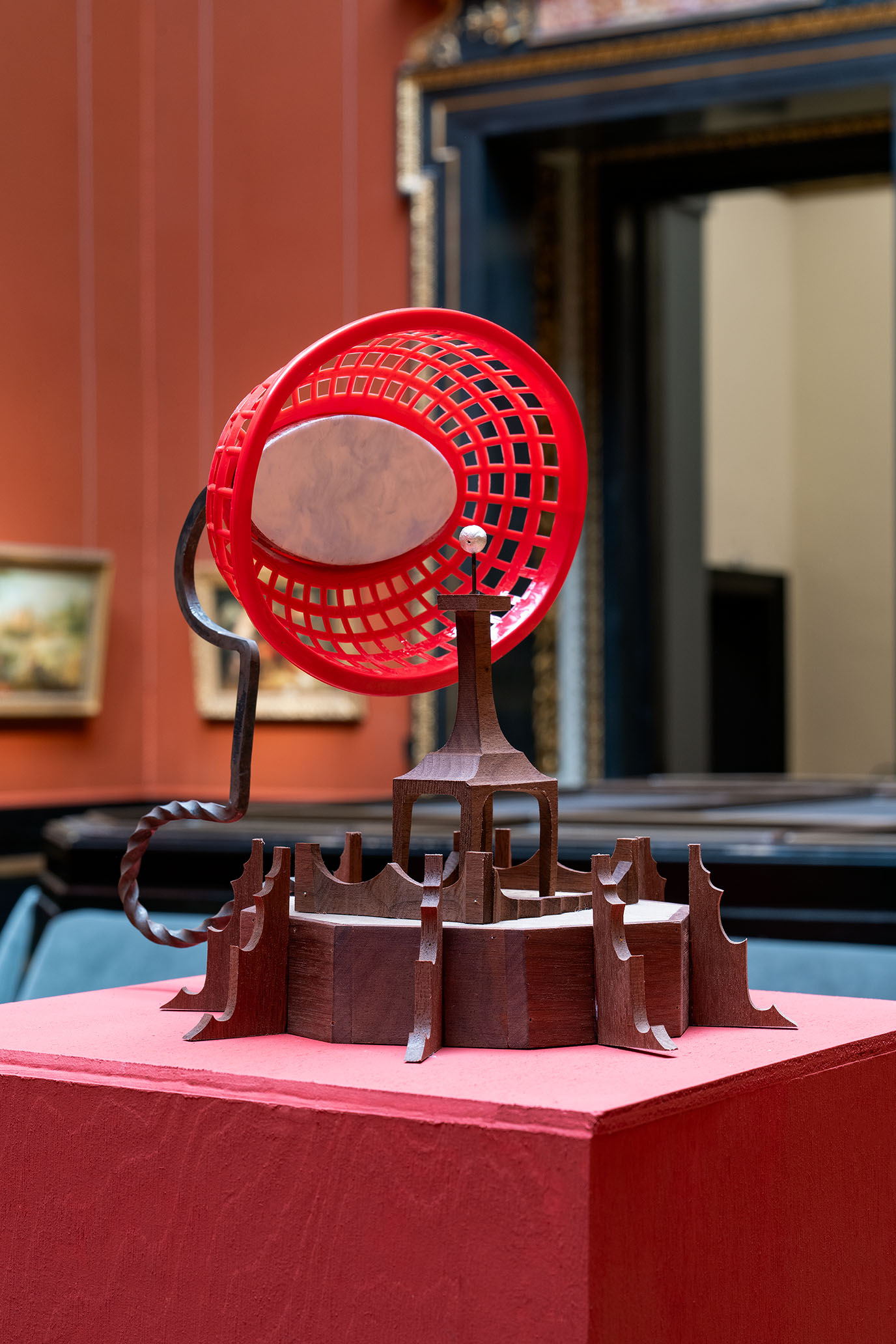
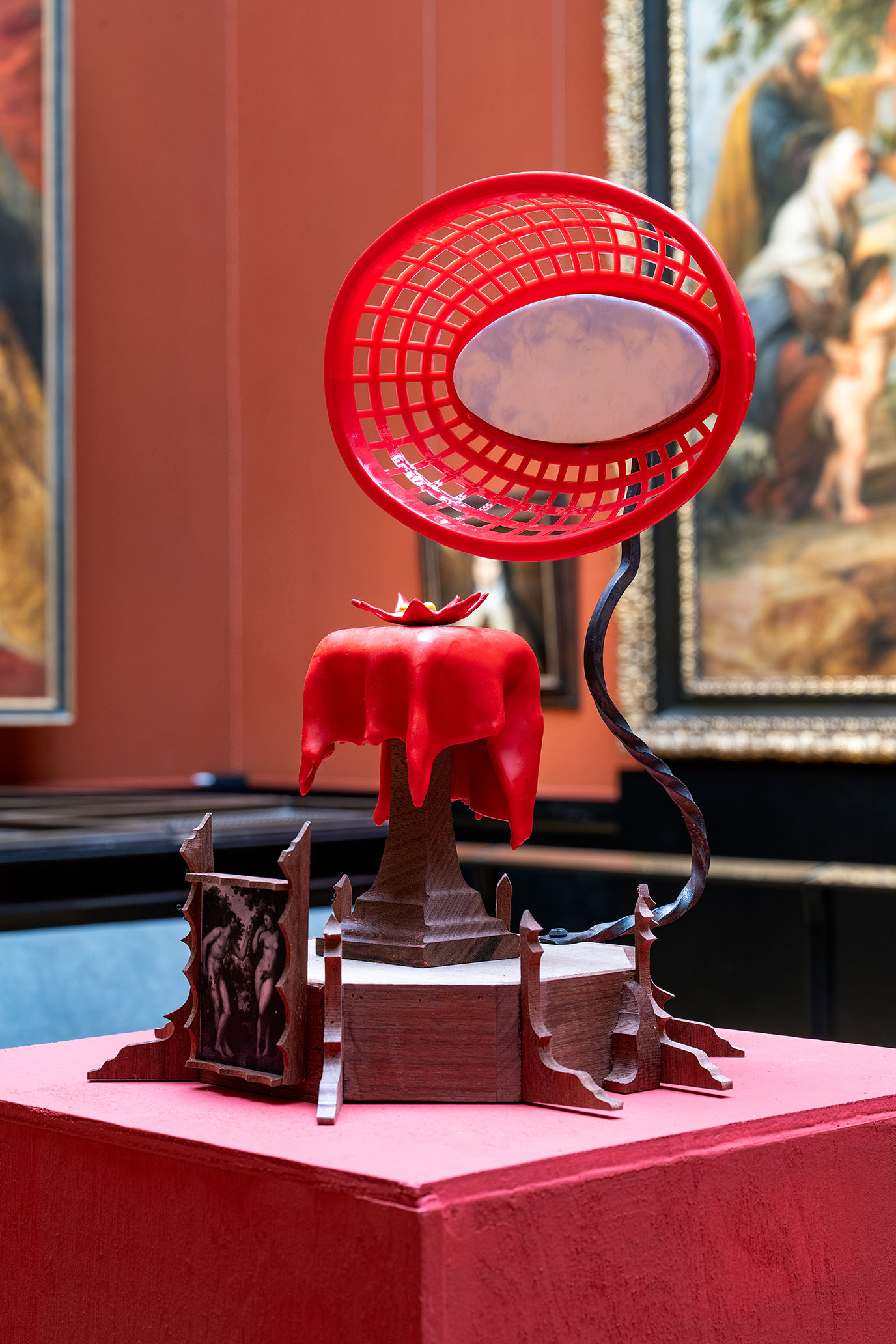
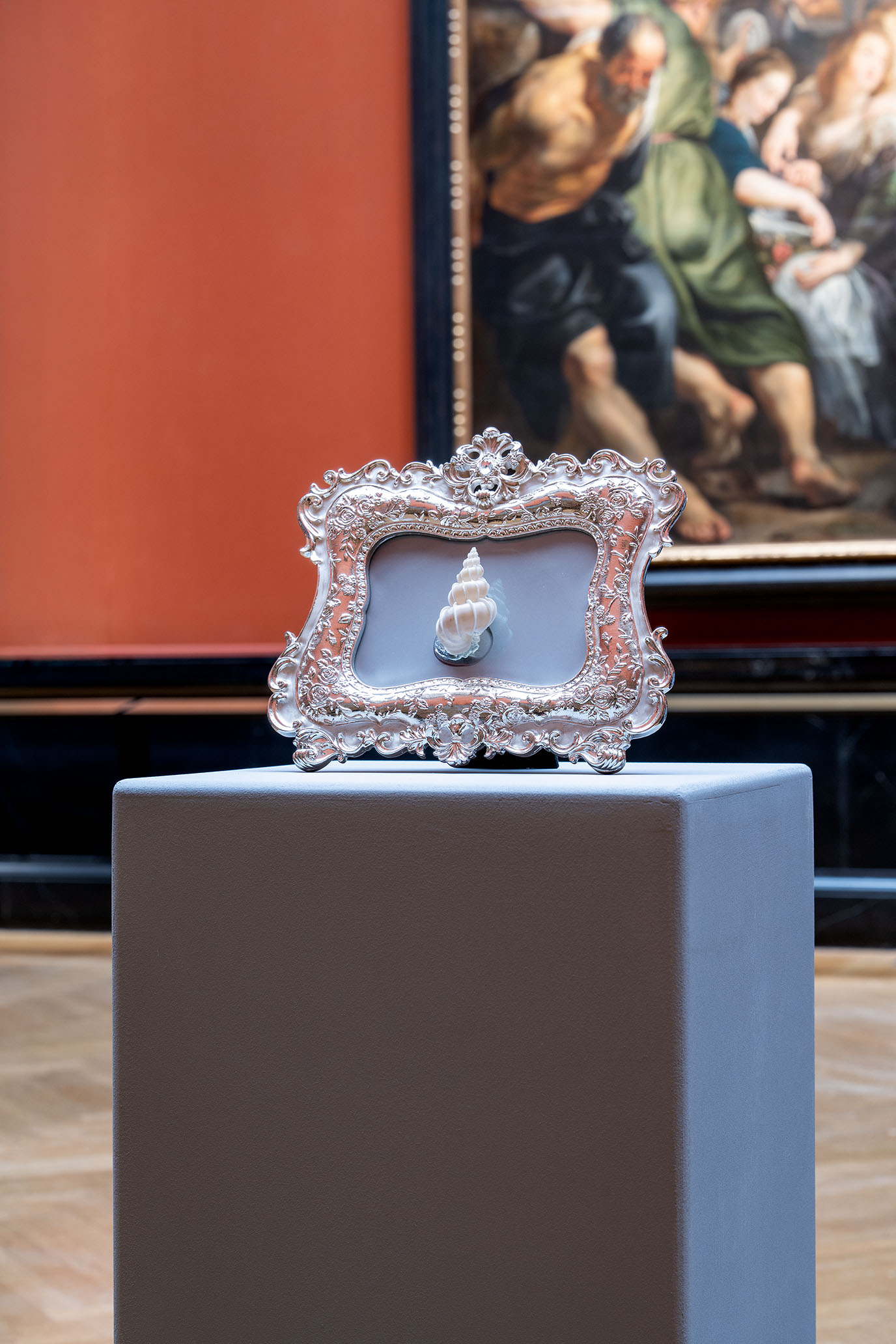
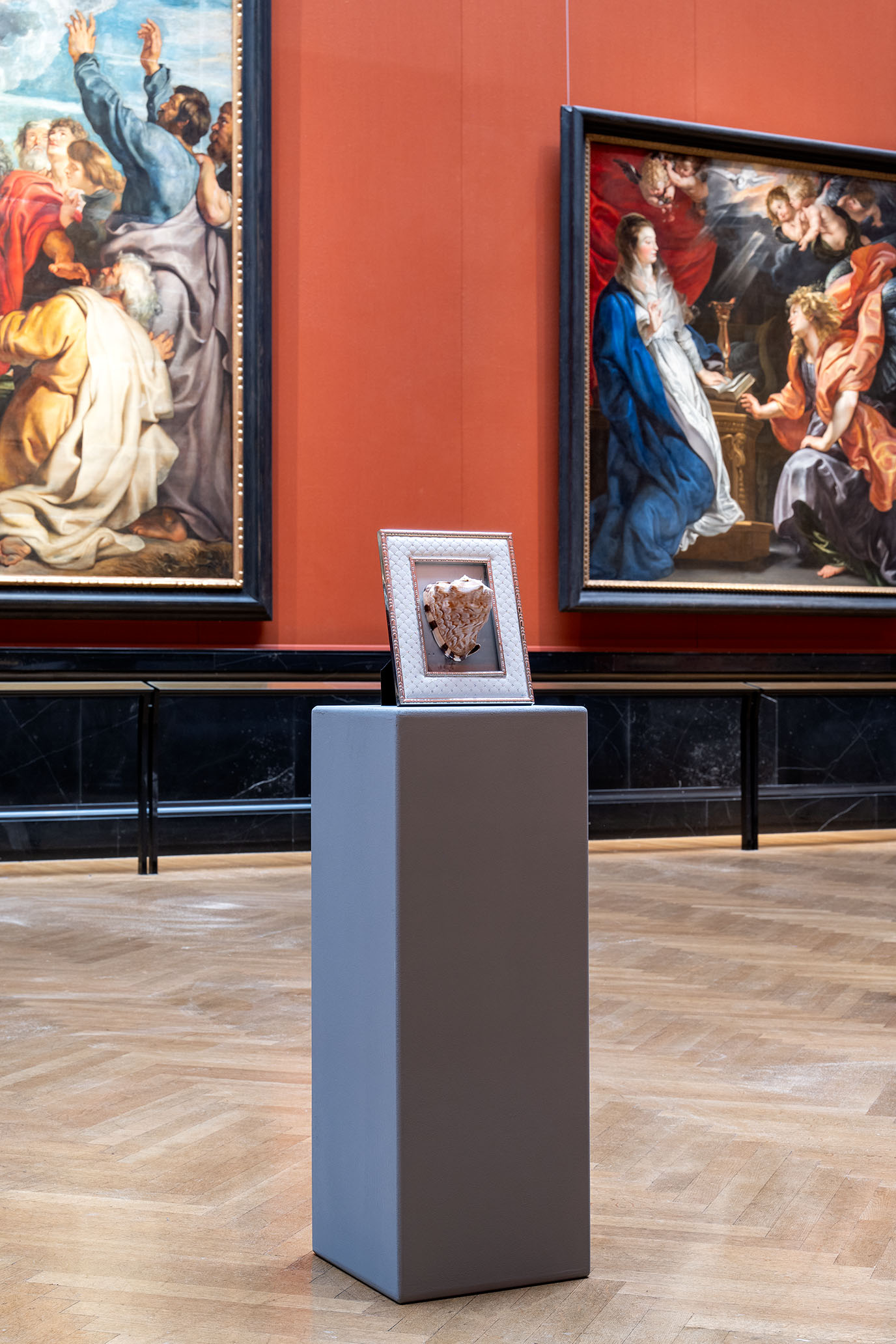
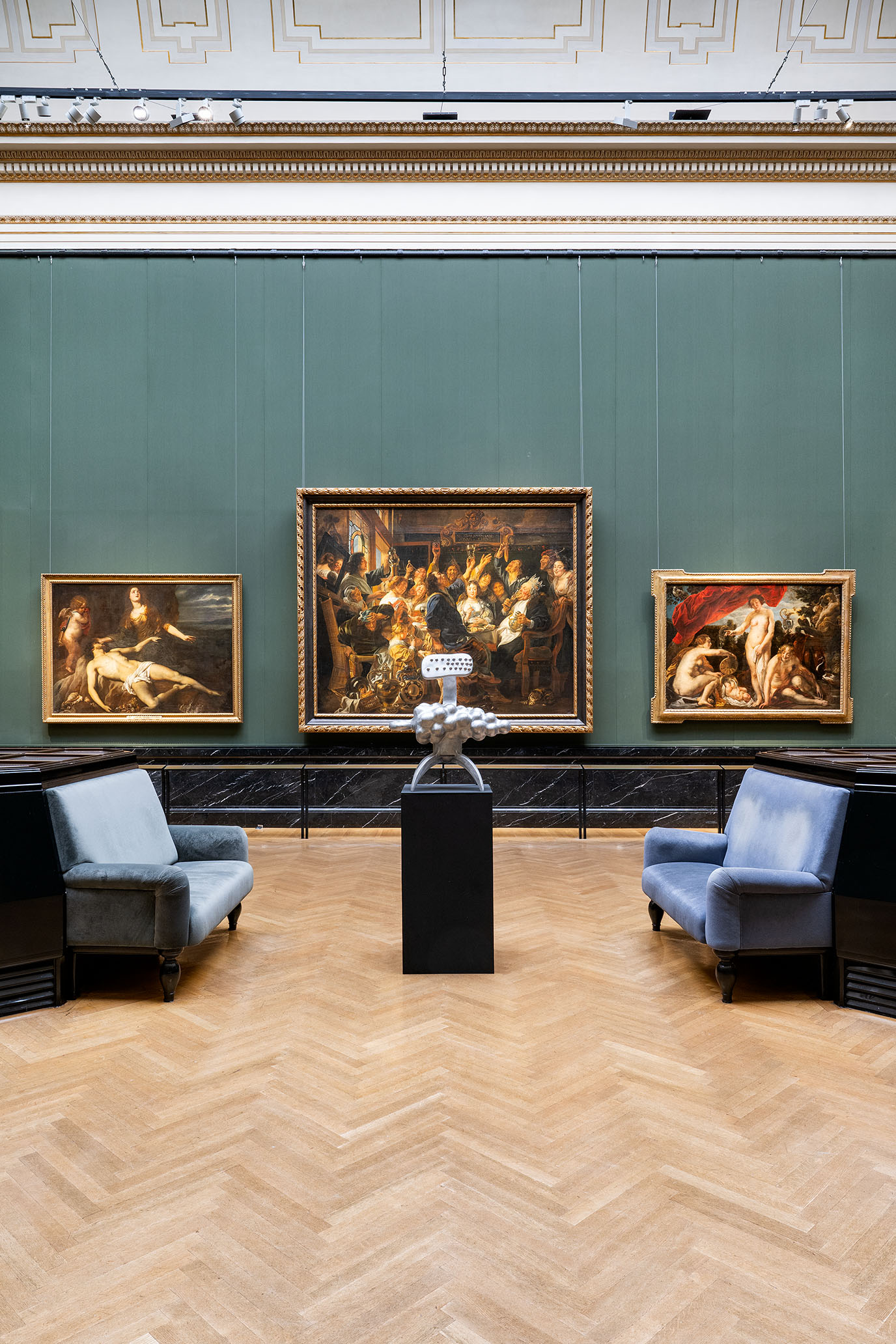
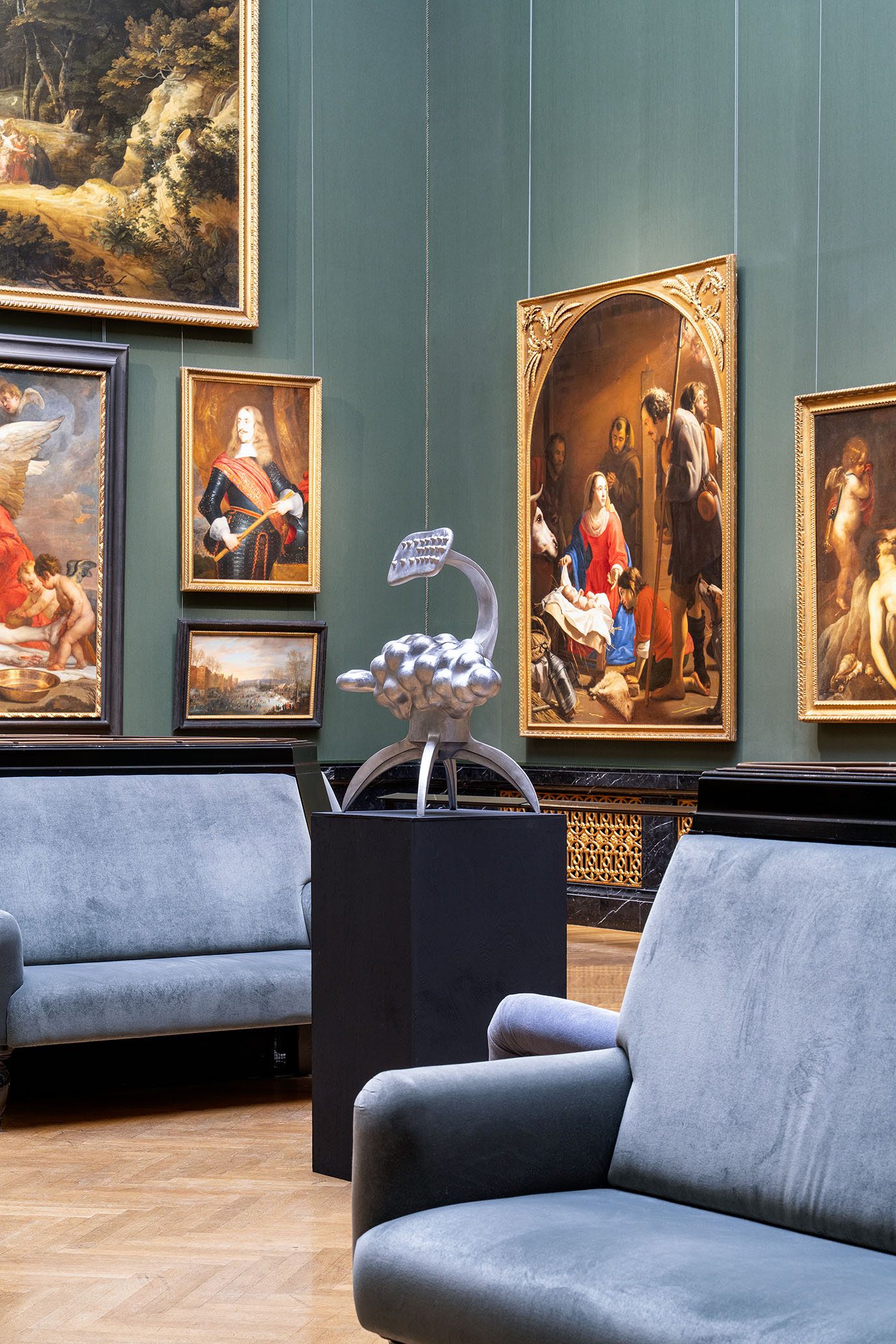
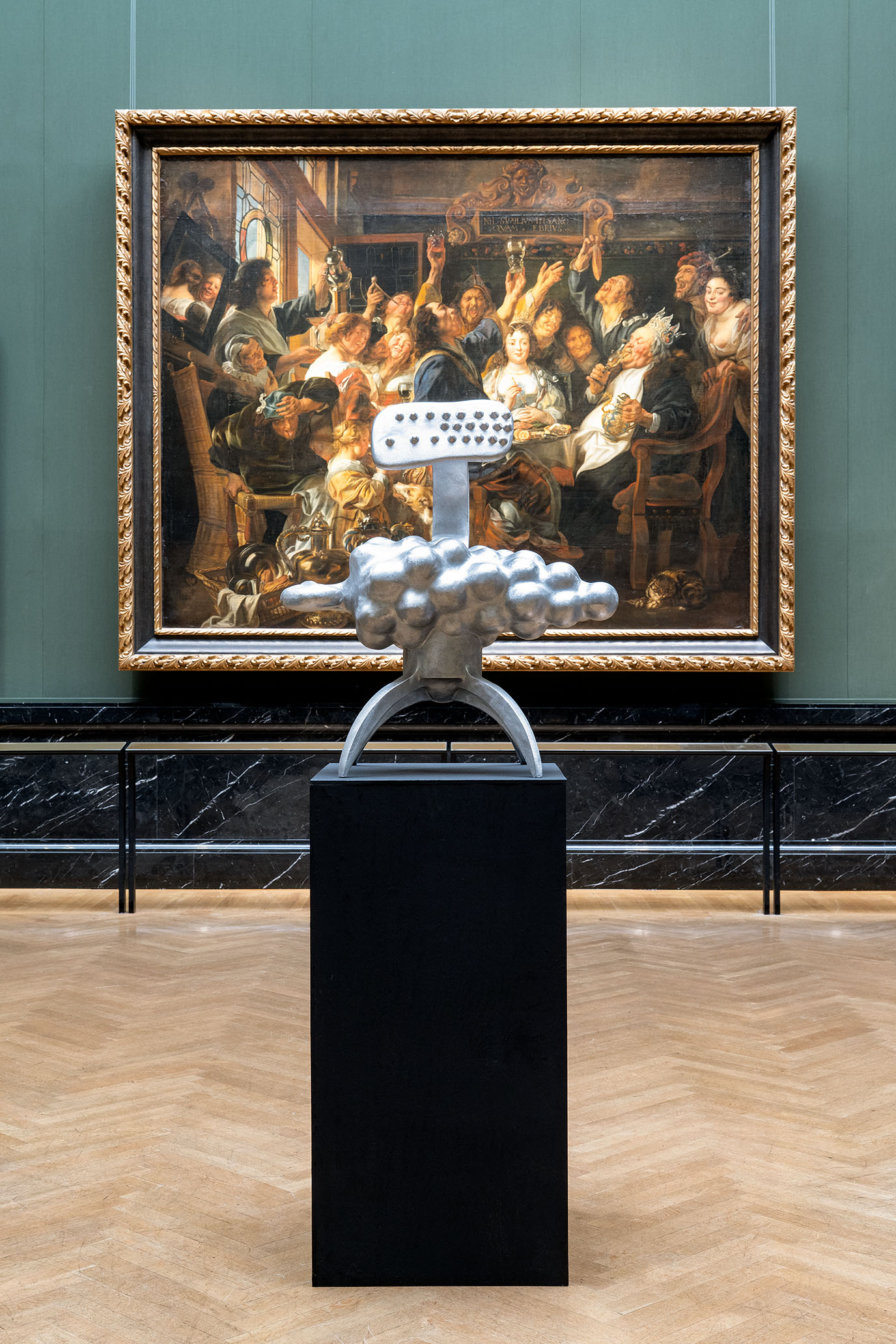
Anne de Vries’s miniature knight is tackled by a mob of policemen in front of Pieter Bruegel’s Children’s Games, restaging a diminutive conflict between innocence and indiscriminate authority. Lucas Cranach's portrayal of righteous violence resounds in Lucca Süss's mechanical armor–uncanny hybrids which find new utility in complicating functional objects' intended use, turning everyday goods into monstrous, unfamiliar forms. Benjamin Hirte’s reserved sculptures recall the deeply symbolic domestic scenes of Jan Steen, and focus on the architectural and ideological underpinnings of Vienna’s housing developments. Peter Paul Rubens’s intensity resonates through Harry Gould Harvey IV’s red mystical creatures, figures arranged into enigmatic systems of allegorical meanings. Hélène Fauquet answers the dispute of Rubenists and Poussinists–regarding the primacy of color or form in painting–with framed photos of seashells, delicate portraits of natural harmony and innate baroque design. Jan Fyt’s jumbled feasts are contrasted by Bruno Gironcoli’s stout robotic statuette, a sculptural abstraction which affectionately melds organic references into a peculiar and friendly anatomical form.
By tomorrow morning, the sculptures and the musicians will have disappeared from the Picture Galleries. Time’s ribbon will be unfolded, any fissures repaired, and the museum’s collection will reassert its immense distance from the contemporary. The only trace of our six exchanges will be living artefacts–the clarity and vigor which animates further experimentation. Should we ever decide to refold, tie, or cut up our cultural fabric, we will know each point at which lineages may intersect, and how we may better weave our work alongside its influences to form new, dynamic patterns.